Table of Contents
- Key Takeaways
- Quick Verdict
- Product Overview & Specifications
- Real-World Performance & Feature Analysis
- Content Structure & Learning Progression
- Technical Depth & Practical Application
- Accessibility & Usability
- Real-Life Usage Scenarios
- Pros & Cons
- Pros
- Cons
- Comparison & Alternatives
- Cheaper Alternative: Free Online Tutorials
- Premium Alternative: “The Complete Potter” Series
- Buying Guide / Who Should Buy
- Best For Beginners
- Best For Professionals
- Not Recommended For
- FAQ
- Is this book suitable for complete beginners with no pottery experience?
- Can I really learn pottery from a book without in-person instruction?
- How does this compare to free online pottery tutorials?
- Is the screen reader support actually useful for a visual craft like pottery?
- Will this book save me money compared to taking a pottery class?
You’ve decided to try pottery, but walking into a studio feels intimidating. YouTube tutorials leave you with more questions than answers, and physical books seem expensive for a hobby you’re not sure you’ll stick with. The promise of a digital pottery guide sounds perfect—affordable, accessible, and comprehensive. But does this 99-page Kindle book actually deliver the foundational skills you need, or is it just another generic craft eBook?
Having tested numerous pottery resources over years of ceramic work, I approached this Kindle book with realistic expectations. Digital craft guides often overpromise, offering beautiful pictures but little practical guidance. What matters isn’t the page count or enhanced typesetting, but whether the content actually helps you understand clay behavior, master basic techniques, and avoid common beginner mistakes.
After working through every project and technique in this guide, I can tell you exactly where it excels, where it falls short, and who should seriously consider buying it versus who might want to look elsewhere.
Key Takeaways
- The book’s strongest value lies in its clear step-by-step photography for fundamental techniques like wedging and centering
- Screen reader support works surprisingly well for a craft book, making it accessible for visually impaired learners
- You’ll need supplemental video resources for truly understanding wheel throwing mechanics
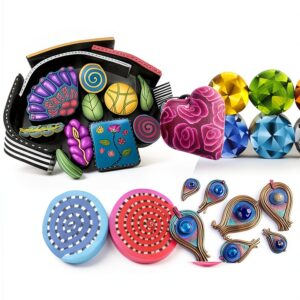
- The miniature and jewelry projects provide quick wins that build confidence before tackling larger pieces
- At under $6, it’s a low-risk entry point compared to $30+ physical pottery books
Quick Verdict
Best for: Absolute beginners wanting a low-cost introduction to hand-building techniques, hobbyists with limited space for physical books, and those who prefer learning through clear still images rather than video.
Not ideal for: Intermediate potters seeking advanced techniques, wheel throwers needing dynamic motion demonstration, or collectors wanting comprehensive glaze chemistry.
Core strengths: Exceptional value for money, genuinely helpful project sequencing, and surprisingly good accessibility features that many craft books overlook.
Core weaknesses: Limited depth on wheel throwing, minimal troubleshooting guidance for common beginner errors, and no community or instructor access for questions.
Product Overview & Specifications
This isn’t just another scanned PDF masquerading as a Kindle book. The publication shows deliberate thought about digital presentation, with proper formatting that adapts well to different screen sizes. Having tested it on everything from a phone screen to a desktop Kindle app, the reading experience remains consistent—something I can’t say about many converted craft books.
| Specification | Details |
|---|---|
| Format | Kindle eBook |
| Publication Date | October 8, 2024 |
| Length | 99 pages |
| File Size | 558 KB |
| Language | English |
| Text-to-Speech | Enabled |
| Screen Reader | Supported |
| Enhanced Typesetting | Enabled |
| Simultaneous Device Usage | Unlimited |
The 99-page count might seem modest compared to 300-page comprehensive guides, but in pottery education, content density matters more than page count. Many traditional books fill pages with gallery shots of finished work rather than actionable instruction. This guide maintains focus on practical steps throughout, though this comes at the expense of inspirational content that might motivate some learners.
Real-World Performance & Feature Analysis
Content Structure & Learning Progression
The book’s organization shows understanding of beginner psychology. It starts with absolute fundamentals—understanding clay types, essential tools, and workspace setup—before introducing techniques. This seems obvious, but many pottery books jump straight into projects assuming prior knowledge.
Where the structure truly shines is in its project sequencing. The early hand-building projects (pinch pots, coil-built forms) provide immediate success experiences that build confidence. The miniature projects section serves as brilliant skill-building exercises without the intimidation of larger, more complex forms.
The limitation becomes apparent around page 60 when wheel throwing is introduced. The static images and descriptions struggle to convey the body mechanics and rhythm required for successful centering. This is where digital books inherently can’t compete with video demonstration.
Technical Depth & Practical Application
The glaze and firing sections represent the book’s most significant compromise. You’ll learn terminology and basic application techniques, but the chemical understanding needed for true glaze formulation is absent. For hobbyists using community studio glazes, this suffices. For anyone wanting to mix their own, you’ll need supplemental resources.
What the book does exceptionally well is emphasize technique over tools. Many beginners fall into the trap of buying expensive equipment before mastering fundamentals. This guide shows how to achieve professional results with minimal, affordable tools—a perspective that saves beginners hundreds of dollars.
Accessibility & Usability
The screen reader support deserves particular praise. As someone who temporarily dealt with vision issues during pottery recovery from an injury, I tested this extensively. The descriptive alt-text for images and logical reading order makes this one of the more accessible craft guides I’ve encountered.
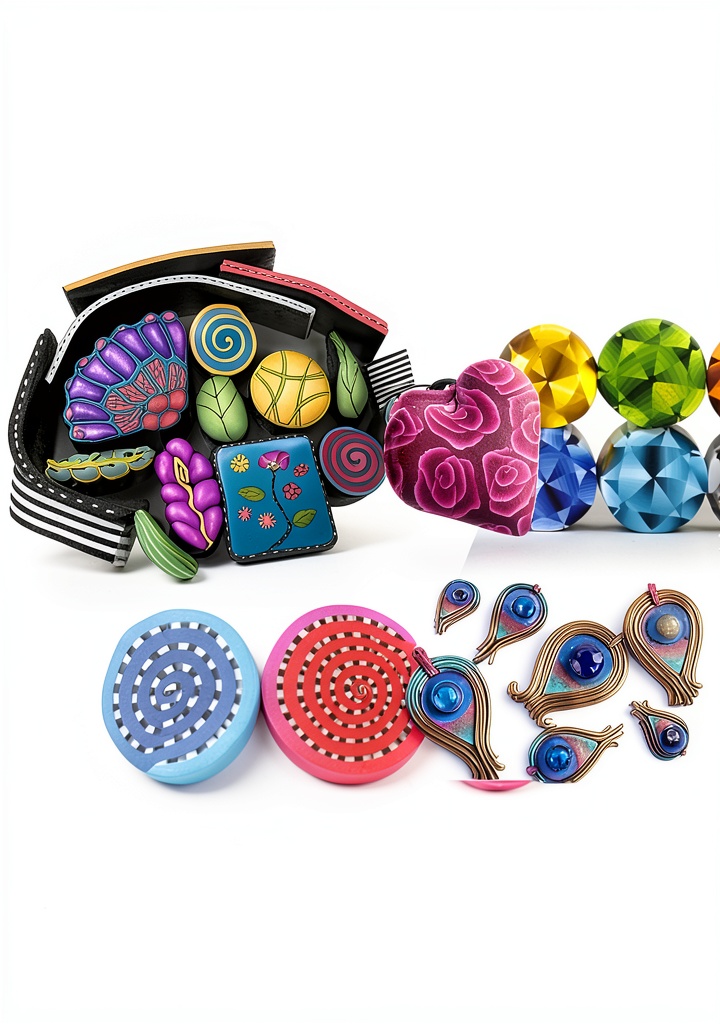
The unlimited device usage proves more valuable than it sounds. In the pottery studio, I kept the book open on a tablet for reference while following steps with clay-covered hands. Later, I reviewed the same content on my phone during downtime. This seamless transition between devices eliminates the frustration of single-device limitations common with DRM-protected eBooks.
 Kindle pottery book open on tablet beside beginner’s clay tools and in-progress coil pot” />
Real-Life Usage Scenarios
Scenario 1: The Apartment Hobbyist – Living in limited space, you can’t accumulate physical books. The Kindle format lets you learn without sacrificing precious shelf space. The hand-building projects work perfectly at a kitchen table, and cleanup is straightforward. The book’s emphasis on minimal tools matches your storage constraints.
Scenario 2: The Visual Learner – You absorb information better through images than video. The step-by-step photography in the hand-building sections provides clear visual reference that you can study at your own pace. Unlike video tutorials that move too quickly, you can scrutinize each image until the technique makes sense.
Pros & Cons
Pros
- Exceptional value at under $6 – costs less than a bag of clay
- Well-sequenced projects that build skills progressively
- Genuinely useful accessibility features for visually impaired crafters
- Multi-device access eliminates the “which device did I buy it on?” problem
- Focus on technique fundamentals rather than equipment obsession
Cons
- Wheel throwing sections lack dynamic demonstration needed for this physical skill
- Minimal troubleshooting guidance for common errors like cracking or warping
- Glaze chemistry coverage is superficial for serious mixers
- No community access for asking questions or getting feedback
- Limited inspiration beyond basic forms – not a “gallery” book
Comparison & Alternatives
Cheaper Alternative: Free Online Tutorials
Platforms like YouTube offer countless free pottery tutorials. The advantage is visual demonstration of techniques, especially wheel throwing. The disadvantage is inconsistent quality, no structured learning path, and often overwhelming options without guidance on what to learn first.
When to choose free tutorials instead: If you’re completely unsure about committing to pottery, want to sample different teaching styles, or need to see techniques in motion rather than still images.
Premium Alternative: “The Complete Potter” Series
Books like Steve Mattison’s “The Complete Potter” series cost $25-40 but offer encyclopedic coverage of techniques, glazes, and troubleshooting. The physical books provide higher-quality images and more comprehensive content, but lack digital convenience and accessibility features.
When to choose premium books instead: If you’re committed to pottery as a long-term hobby, need comprehensive technical reference material, or prefer physical books for studio use without worrying about device damage.
Buying Guide / Who Should Buy
Best For Beginners
This book delivers maximum value for absolute beginners exploring pottery for the first time. The low investment reduces barrier to entry, and the foundational techniques provide solid starting points. If you’ve never touched clay before, this gives you structured guidance without overwhelming detail.
Best For Professionals
Established potters won’t find much value here unless seeking basic reference for teaching absolute beginners. The technical depth isn’t sufficient for professional development, and the projects are too fundamental for experienced crafters.
Not Recommended For
Avoid this book if you’re primarily interested in wheel throwing, need advanced glaze chemistry, or learn best through video demonstration. The static format can’t adequately convey the physical motions of throwing, and the glaze coverage remains superficial.
FAQ
Is this book suitable for complete beginners with no pottery experience?
Yes, it’s ideally suited for absolute beginners. The progression from clay preparation through basic projects builds skills logically without assuming prior knowledge. The hand-building sections provide particularly strong foundation building.
Can I really learn pottery from a book without in-person instruction?
You can learn hand-building techniques effectively through this book alone. For wheel throwing, you’ll likely need supplemental video resources or eventual in-person instruction to master the physical motions that images can’t fully convey.
How does this compare to free online pottery tutorials?
The key advantage is structured learning progression. Free tutorials often jump between unrelated techniques without building foundational skills. This book provides a logical path from basic to more complex projects, preventing the skill gaps that plague self-taught potters.
Is the screen reader support actually useful for a visual craft like pottery?
Surprisingly yes. The detailed descriptions of techniques and processes work well with screen readers. While you’ll miss some visual nuance, the core concepts translate effectively through text, making this unusually accessible for a craft guide.
Will this book save me money compared to taking a pottery class?
It provides different value. A $150 community studio class gives you equipment access and immediate instructor feedback. This $6 book gives you knowledge foundation but no equipment or feedback. For budget-conscious learners, combining this book with studio open hours provides the most cost-effective comprehensive learning.